School is out, the days are long, and somewhere in the garage there is a toolbox that has not been opened in months. This summer, that toolbox can become the most interesting thing your kids touch all season. Small house repairs are a surprisingly good way to keep young hands busy, teach patience, and build a kind of confidence that no screen time can offer.
Most parents think home repair skills are something kids pick up as adults, usually after moving into their first apartment and calling their parents in a panic. But the truth is, kids as young as seven or eight can learn real, useful skills around the house this summer, as long as the tasks are matched to their age and always supervised. This is not about turning your living room into a construction site. It is about small, safe, doable projects that teach cause and effect, patience, and the satisfaction of fixing something with your own two hands.
Why Summer Is the Right Time for This
During the school year, there is homework, sports, and a packed schedule that leaves little room for anything extra. Summer opens up unstructured time, and unstructured time is exactly what kids need to slow down and learn something hands-on. A loose cabinet hinge or a squeaky door is not going anywhere. It will still be there next weekend if today does not work out, which makes these projects low pressure and easy to fit into a lazy summer afternoon.
There is also something to be said for kids seeing their parents work with tools instead of just watching them scroll on a phone. Repair work models problem solving in a very visible way. A kid sees a broken thing, watches it get diagnosed, watches a tool get chosen, and watches the fix happen. That whole process, start to finish, teaches more than most lectures ever could.
Kid Sized Tools And Safety Basics
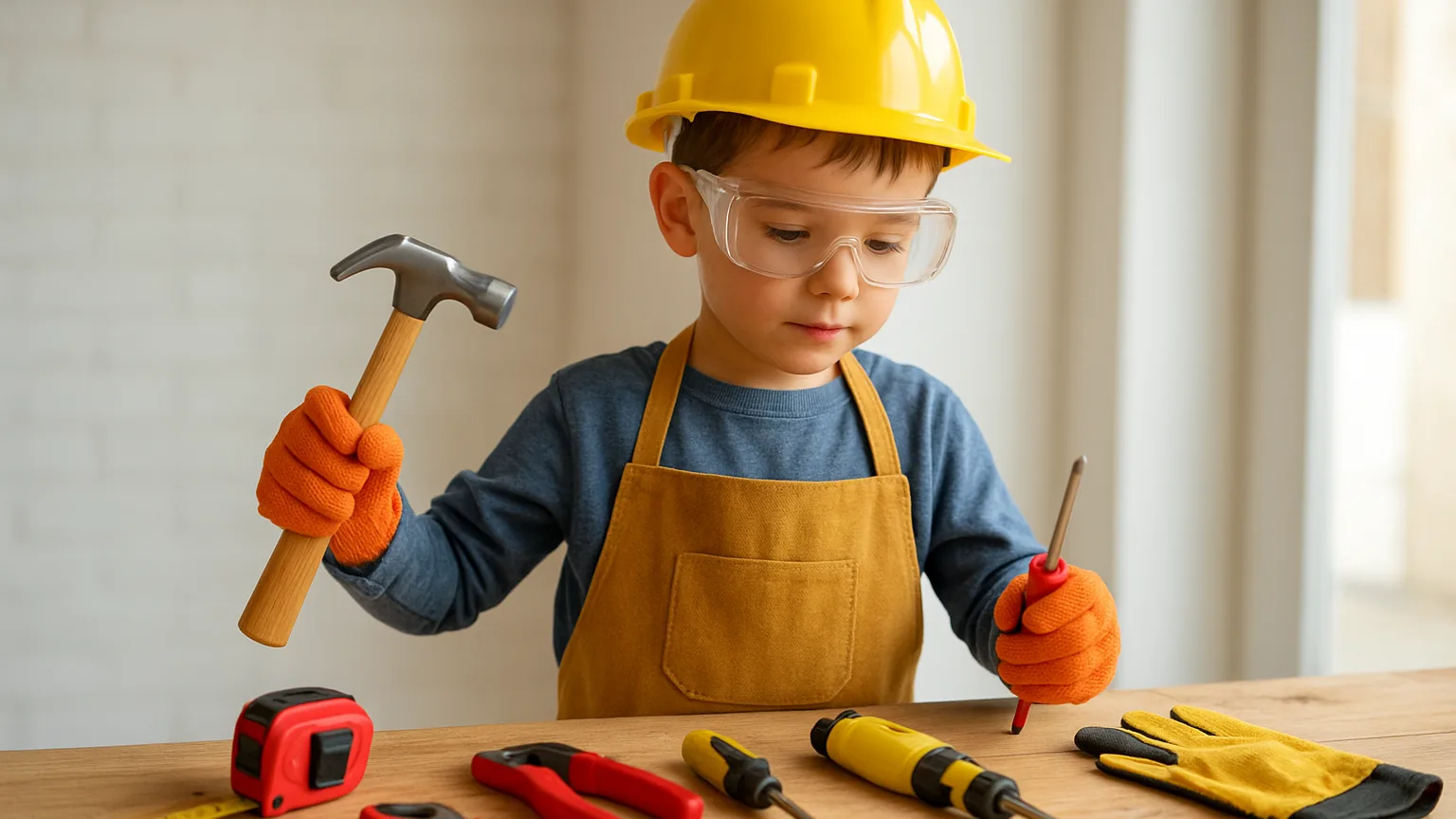
Before any fixing starts, it helps to set up kids with tools that actually fit their hands. A full sized hammer is heavy, awkward, and honestly a little dangerous for smaller hands still learning grip and control. Look for smaller versions of basic tools, or let younger kids start with tasks that only need a screwdriver, since screwdrivers are one of the safer and easier tools to control.
What Belongs in a Beginner Kit
- A lightweight hammer sized for smaller hands
- A set of Phillips and flathead screwdrivers
- Safety glasses, even for simple jobs
- Work gloves that actually fit, not oversized adult ones
- A small tape measure for practicing measuring skills
Safety rules should be simple and repeated often, not written out like a legal document. Things like always asking before using a tool, never using anything with a blade without an adult right there, and stopping immediately if something feels wrong. Kids respond well to short, clear rules they can actually remember, rather than a long list they tune out after the first sentence.
Setting the Right Expectations
It also helps to talk about mistakes before they happen. A stripped screw, a bent nail, or a paint smear on the wrong spot is not a disaster, it is part of learning. Kids who are afraid of getting it wrong will hesitate and lose interest fast. Kids who know mistakes are expected will actually try, and trying is where the real learning happens.
One thing worth mentioning to kids early on is that even professionals started somewhere. Every skilled tradesperson once held a screwdriver for the first time and did not know which way to turn it.
Weekend Fix It Projects For Growing Hands
Once the basics are covered, it is time to pick actual projects. The best summer fixes are ones that are visible, quick to finish, and clearly improve something in the house. A finished project in under an hour keeps a kid's attention far better than a multi day repair that drags on.
Projects for Younger Kids, Ages 6 to 9
- Tightening loose cabinet knobs and drawer pulls
- Wiping down and organizing a toolbox
- Sorting screws and nails by size into labeled containers
- Repainting a small stool or wooden stepping stone
- Fixing a wobbly toy shelf with an adult holding it steady
Projects for Older Kids, Ages 10 to 14
- Fixing a squeaky door hinge with a drop of oil
- Replacing a worn out doorstop
- Patching a small hole in drywall with spackle
- Assembling flat pack furniture with an instruction sheet
- Replacing a light switch cover plate, with power off and supervised
Older kids can also start learning how to read basic instructions and diagrams, which is a skill that carries over into so many other parts of life. Following a numbered set of steps to assemble a shelf teaches sequencing and patience in a way that feels like a game rather than a lesson.
Turning a Fix Into a Full Lesson
The trick to making these projects stick is narrating the why, not just the how. Instead of just saying "turn this screw," explain what the screw is holding together and why it loosened in the first place. Kids remember reasons far better than instructions, and understanding why something works builds the kind of thinking that helps them solve problems on their own later.
Teaching Moments Hidden Inside Every Repair
Every small repair has a lesson tucked inside it that goes beyond the tool in hand. Tightening a hinge teaches patience, since rushing usually strips the screw. Painting a stool teaches planning, since a kid learns quickly that skipping the sanding step leads to a rough finish. Even something as simple as sorting screws by size teaches organization skills that show up later in schoolwork and beyond.
“The best habits get built early, and home repair is one of those rare activities where a kid can see, touch, and immediately understand the result of their effort,” says Daniel Reyes, lead technician at Handy Squad Handyman. “When a parent lets a child help fix something small, they are not just getting a helper for the afternoon, they are planting a skill that grows for years.”
Knowing When to Call In Help
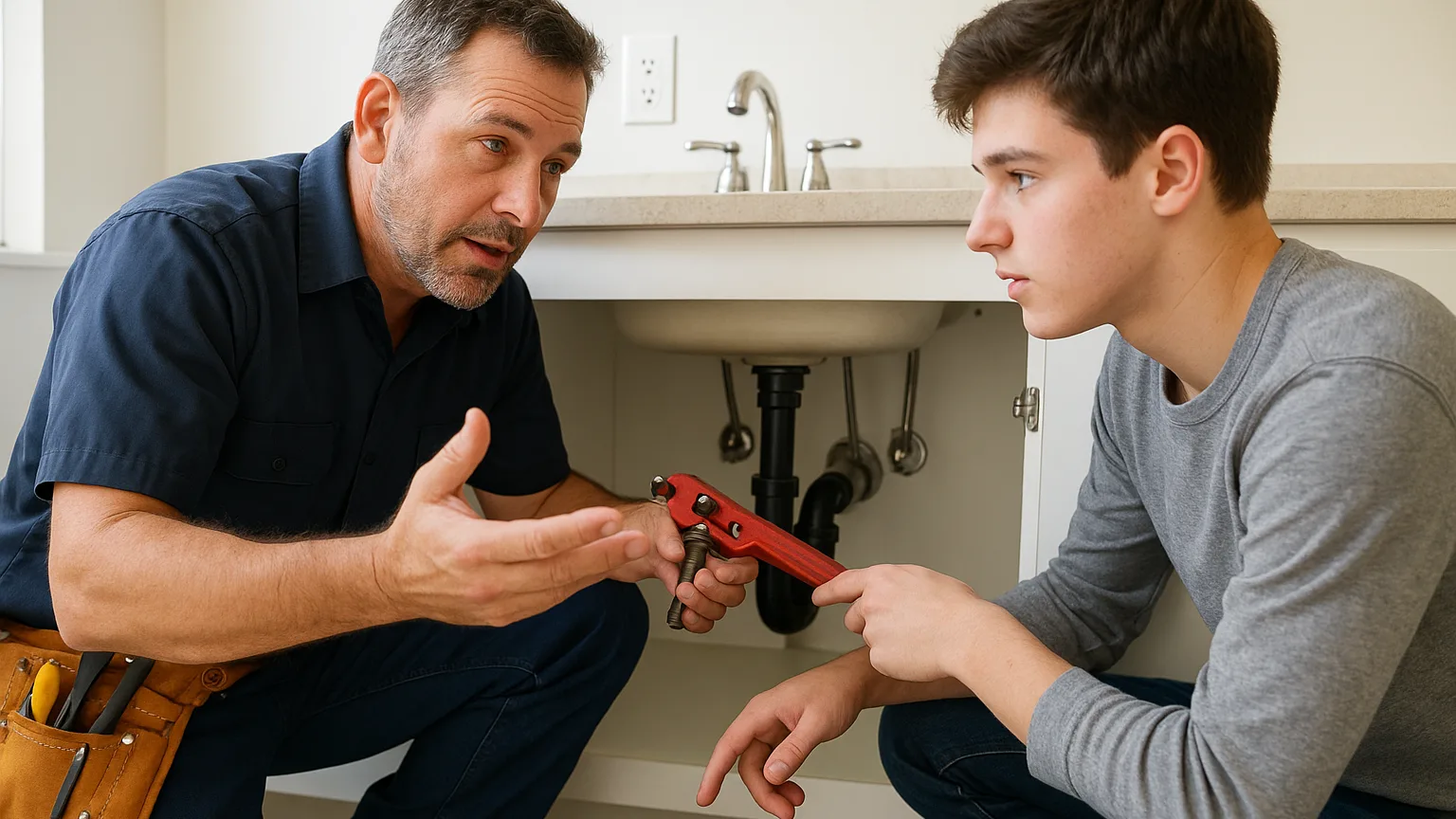
Not every project belongs on a summer learning list. Anything involving electrical wiring beyond a light switch cover, plumbing repairs, roofing, or anything that requires climbing above the second rung of a ladder should stay off limits for kids and be handled by a trained adult or a professional. The goal is building confidence, not creating risk, so it is worth drawing a clear line between what is safe to explore and what needs an expert.
Making It a Habit, Not Just a Summer Thing
The families who get the most out of this idea do not treat it as a one time summer activity. They keep a small basket of easy fix it tasks going year round, pulling from it on weekends or after school when there is time to spare. This keeps the skills fresh and turns home repair into a normal part of family life rather than something that only happens when school is out.
Small Fixes, Big Payoff
By the time summer ends, a kid who spent even a few afternoons fixing things around the house will walk away with more than a tightened hinge or a repainted stool. They will have practiced patience, followed instructions, made mistakes, and fixed them, and felt the specific kind of pride that only comes from finishing something with their own hands. That kind of confidence tends to show up in other parts of life too, from schoolwork to sports to just handling frustration a little better.
None of this requires a big budget, a long weekend, or professional grade tools. It just takes a willingness to hand over a screwdriver, stand close by, and let a kid learn by doing. The house gets a little more fixed, the summer gets a little more memorable, and somewhere down the line, that kid grows into an adult who is not afraid to grab a wrench when something breaks.