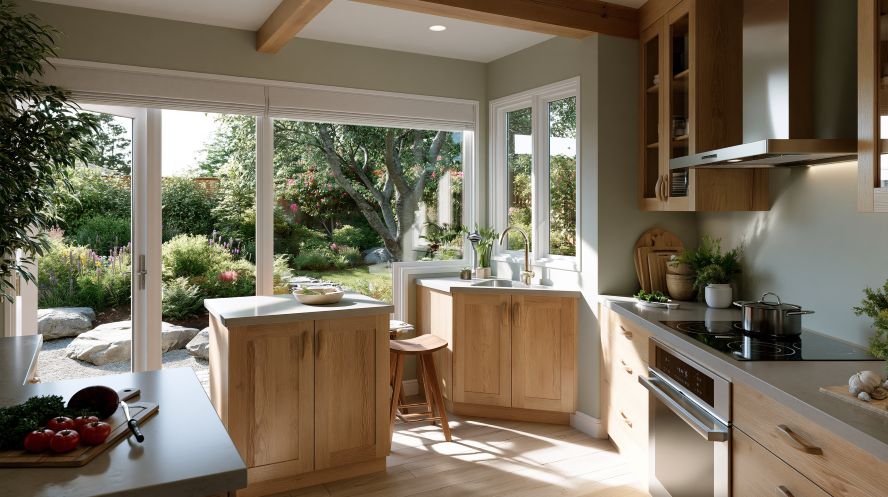
Small changes today can mean decades of independence tomorrow. Here's how California homeowners are reshaping their spaces to stay comfortable, safe, and connected to the outdoor lifestyle they love, well into their golden years.
The kitchen counter where you once stood baking cookies with the grandkids should not become the same counter you struggle to reach in twenty years. Yet that is exactly what happens to millions of homeowners who never plan ahead. According to AARP, nearly 77% of adults over 50 want to remain in their current homes as they age, but only a fraction actually take the steps to make that possible.
California presents a unique opportunity for aging in place. The mild climate, indoor-outdoor lifestyle, and single-story home prevalence give homeowners a head start that residents in colder regions simply do not have. The trick is knowing which upgrades matter most, which ones offer the biggest safety return, and how to blend functionality with the relaxed style that makes California living so appealing in the first place.
Why Aging in Place Planning Starts Earlier Than You Think
Most homeowners wait until something goes wrong before making changes. A fall in the bathroom, a knee surgery, or a partner's diagnosis suddenly forces rushed decisions that cost more and look worse than thoughtful planning would have. Starting modifications in your 50s or early 60s gives you the financial runway, physical ability, and design flexibility to do things right.
Aging in place is not just about installing grab bars and calling it a day. It involves rethinking how you move through your home, how you access outdoor spaces, how natural light enters rooms, and how every surface from flooring to window treatments serves you when mobility changes. The best modifications feel invisible to guests but make a meaningful difference to the homeowner.
Common Trigger Points That Lead to Modifications
- A fall or near-fall, particularly in the bathroom or on stairs
- The loss of a spouse who handled certain household tasks
- Difficulty reaching cabinets, opening windows, or operating fixtures
- A new diagnosis affecting vision, balance, or grip strength
- Adult children expressing concern about safety
Bathroom Updates That Prevent the Most Common Injuries
Bathrooms are statistically the most dangerous rooms in any home for seniors. Wet surfaces, hard fixtures, and tight spaces create the perfect storm for injury. Smart bathroom modifications focus on reducing fall risk without making the space feel clinical or institutional.
Curbless showers have become the gold standard for senior-friendly bathrooms in California homes. They eliminate the trip hazard of a tub edge and accommodate shower chairs or wheelchairs if needed later. Pair these with handheld shower wands, slip-resistant tile, and proper drainage, and you have a space that works for every life stage.
Other high-impact bathroom changes include:
- Comfort-height toilets that reduce strain on knees and hips
- Lever-style faucet handles instead of round knobs
- Reinforced wall blocking for current or future grab bar installation
- Improved task lighting around vanities and showers
- Anti-scald valves on all water fixtures
Kitchen Adjustments That Preserve Independence
The kitchen is where independence often slips away first. Upper cabinets become unreachable, heavy cookware becomes dangerous, and standing for long periods becomes exhausting. Modern aging-in-place kitchens solve these problems while still feeling like beautiful, functional spaces.
Pull-down shelving systems bring upper cabinet contents within easy reach. Drawer-style dishwashers reduce bending. Induction cooktops eliminate the burn risk of gas flames and stay cool to the touch. Even small changes like swapping cabinet knobs for D-shaped pulls make a significant difference for arthritic hands.
Counter Heights and Workspace Planning
Consider varied counter heights throughout the kitchen. A lower section accommodates seated meal prep, while standard heights work for active cooking. Adding pull-out cutting boards and rolling islands creates flexibility that adapts as needs change over the years.
Window Treatments That Combine Safety, Comfort, and Style
Window treatments are often the most overlooked safety upgrade in senior-friendly homes. Traditional corded blinds present strangulation hazards for visiting grandchildren and create operational challenges for seniors with limited grip strength or shoulder mobility. Cordless options have transformed this category entirely.
Cordless blinds offer clean aesthetics, simplified daily operation, and the kind of safety that lets families breathe easier. They lift and lower with a gentle push or pull, eliminating the tangled mess of pull cords and the strain of repetitive cord operation. For California homes with abundant natural light and large windows leading to patios and gardens, the visual upgrade alone justifies the switch.
Stephanie Rivera, a customer experience representative at DirectBuy Blinds, shares her perspective: "We hear from families every week who say their parents kept fighting with old corded blinds and eventually just stopped opening them. Once they switch, the whole feel of a room changes because the windows actually get used again." DirectBuy Blinds has become a recognized name in the window treatment space, frequently consulted by designers and contractors working on accessibility-focused renovations.
Why Cordless Beats the Old Way
Cordless designs are not just a stylistic update. According to a helpful overview on why cordless blinds outperform traditional corded designs, the safety benefits extend beyond pets and children to include reduced wear on shoulders and wrists during daily operation. The mechanism is also more durable over time since there are no cords to fray, knot, or snap. For households planning to age in place, this means fewer replacements and easier maintenance.
Outdoor Spaces Built for Lifelong Enjoyment
California living is outdoor living. Patios, decks, and gardens are not optional extras here. They are central to daily life. Aging-in-place planning must include these spaces or homeowners risk losing access to the very environments that drew them to California in the first place.
Covered patios with proper shade reduce sun exposure and create comfortable transition zones between indoor and outdoor areas. Slip-resistant decking materials, gentle ramp transitions instead of steps, and wide pathways that accommodate walkers or wheelchairs make outdoor enjoyment sustainable for decades.
Lighting deserves particular attention in outdoor planning. Pathway lighting, motion-activated security fixtures, and well-illuminated steps prevent the most common outdoor falls. Consider remote-controlled or app-operated lighting systems that eliminate the need to fumble for switches in the dark.
Smart Outdoor Features Worth Considering
- Automated shade systems for patio covers
- Built-in outdoor seating with proper back support
- Raised garden beds that eliminate kneeling
- Smooth, non-slip pathway materials between key zones
- Outdoor heating elements that extend usable seasons
Flooring Choices That Support Stability
Flooring is the silent foundation of aging-in-place safety. The wrong surface can turn a minor stumble into a serious injury, while the right surface provides cushion, traction, and visual contrast that aids navigation.
Luxury vinyl plank has become a favorite for senior-friendly remodels because it offers the warmth and look of hardwood with better slip resistance and joint cushioning. Cork flooring provides natural give underfoot, reducing fatigue during long stretches of standing. Carpet, when used, should be low-pile and tightly woven to prevent toe catches.
Color contrast between rooms, at thresholds, and at stair edges helps those with declining vision navigate confidently. Avoid busy patterns that can confuse depth perception, and eliminate small area rugs that act as tripping hazards.
Lighting and Visibility Improvements
Vision changes gradually with age, and lighting needs to keep pace. Layered lighting throughout the home creates flexibility for different tasks and times of day. The goal is eliminating dark corners, harsh shadows, and glare zones that can disorient or strain aging eyes.
Smart lighting systems offer particular value here. Voice-controlled fixtures, motion sensors in hallways and bathrooms, and programmable scenes for evening and morning routines all reduce the need to navigate dark spaces or operate small switches. Automatic nightlights along the path from bedroom to bathroom prevent some of the most common nighttime falls.
Doorways, Hallways, and Entry Points
Wider doorways are one of the most universally beneficial aging-in-place modifications. A 36-inch doorway accommodates wheelchairs, walkers, and the inevitable furniture moves that come with redecorating. Lever handles replace round knobs everywhere, since arthritic hands struggle with twisting motions.
Front entries deserve special attention. Zero-step entries eliminate the most common fall risk for seniors entering and leaving the home. Covered porches protect from weather while loading or unloading. Smart locks with keypad or app entry remove the fumbling-with-keys problem that frustrates seniors and creates security concerns.
Putting It All Together for Long-Term Living
The most successful aging-in-place projects happen in phases over several years. Homeowners who try to do everything at once often burn out, blow budgets, or make choices they regret later. A measured approach starting with the highest-impact changes builds momentum and lets homeowners refine preferences as they go.
Start with safety basics like grab bar reinforcement, lever handles, and improved lighting. Move to bathroom and kitchen upgrades next, since these touch daily life most directly. Then tackle outdoor accessibility and finishing touches like cordless window treatments and flooring upgrades. By the time the work is complete, the home looks beautiful and functions for whatever the years ahead bring.
The Long View on Home and Independence
Aging in place is ultimately a love letter to your future self. Every grab bar, every cordless blind, every curbless shower is a small act of self-care extended across decades. California homes have natural advantages that make this kind of long-term planning easier and more rewarding than almost anywhere else in the country.
The homeowners who do this best treat aging-in-place modifications not as concessions to decline but as celebrations of staying engaged with their homes, gardens, neighborhoods, and families. The patio that hosts grandchildren today should still host them in twenty years. The kitchen where you cook tonight should still welcome you when standing gets harder. The windows that frame your California sunsets should still open and close with ease for as long as you want to watch them. Smart modifications make all of that possible, and the time to start is right now.